Running subscription billing for a dating platform means supporting multiple payment channels, capturing express consent before the first charge, offering a simple way to cancel, and running fraud and chargeback controls from day one. Subscribers should expect transparent pricing and a cancellation path that is just as easy as sign-up. The FTC’s Negative Option Rule and the PCI Data Security Standard set the baseline for both.
TL;DR:
- Paying subscribers average $18 to $19 monthly, while single month plans span $9.99 to $99.99; higher pricing needs a clear feature difference.
- Cards convert readily but face more disputes; ACH costs less and suits longer plans, while Apple Pay and Google Pay reduce checkout abandonment.
- Google Play retries failed payments during a grace period, so keep access active until that window ends and reconcile store status with backend entitlements.
- Record consent details, displayed terms, and timestamped cancellation requests; online signups must support online cancellation without requiring a call or live representative.
- Underwriters typically request business model details, acquisition sources, refund and cancellation policies, age checks, and a transaction flow diagram before reviewing applications.
Table of Contents
- Why subscriptions power dating platform revenue
- Which payment channels and billing models operators should support
- How app store subscription rules shape dating app billing
- Running the subscription lifecycle without losing subscribers to billing friction
- Staying inside FTC and PCI rules while cutting chargeback exposure
- Choosing an integration path and preparing for underwriting
- Pricing your subscription without eroding margin
- A payments specialist’s take on what actually moves the needle
- How DavinciPay supports subscription billing for dating platforms
- FAQ
- Sources
Why subscriptions power dating platform revenue
Dating platforms rely on subscriptions because the freemium model works: a free tier builds a user base, then premium features (unlimited swipes, read receipts, boosted visibility) convert a portion of that base into paying subscribers. Add-on purchases, like profile boosts or super likes, sit on top of the recurring plan and add incremental revenue without changing the core billing relationship.
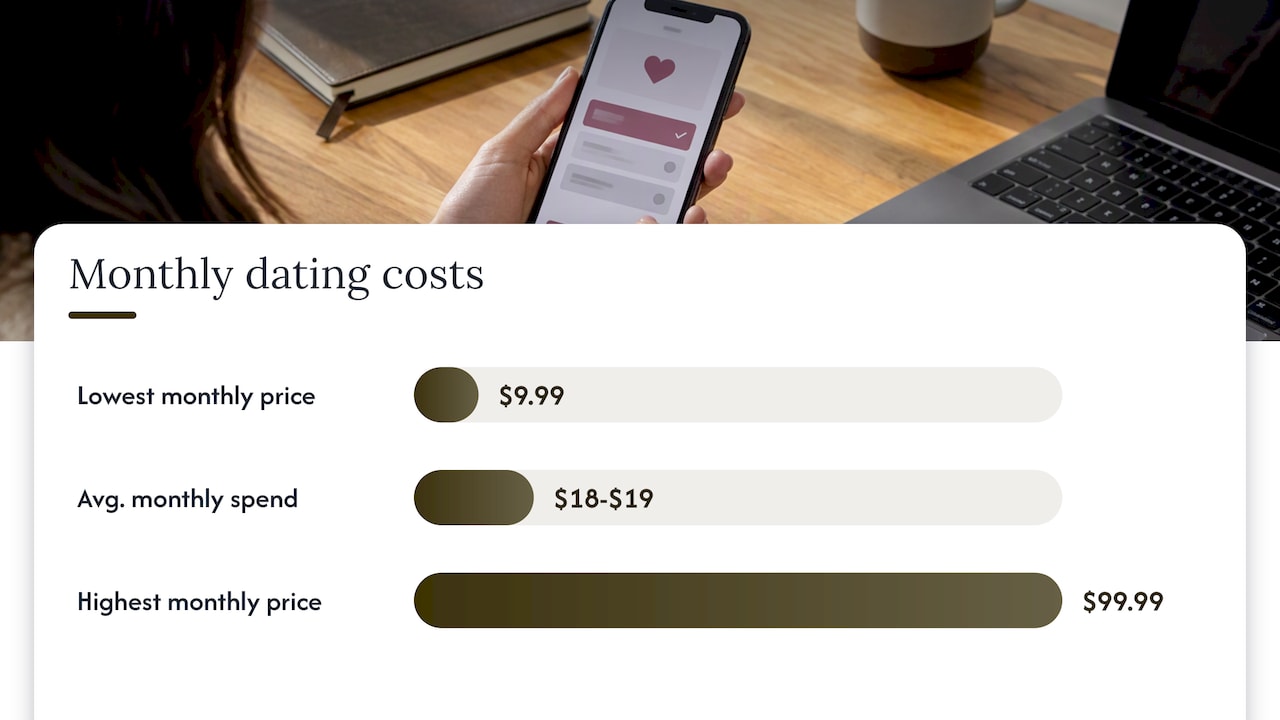
The scale of this market is real. Roughly 32% of single adults in the United States use dating services, and about 25% of those users pay for premium features, spending an average of $18 to $19 a month. Monthly plan prices across the market vary widely, with single-month costs reported between $9.99 and up to $99.99 depending on tier and feature set.
That spending pattern creates specific underwriting and payments considerations for operators:
- Recurring revenue means a failed authentication or missed retry can contribute to churn across multiple accounts.
- Wide price variance across tiers means billing systems need flexible proration logic, not a single flat rebill amount.
- A high proportion of free-to-paid conversion events means fraud teams need to watch trial-to-paid transitions closely, since that moment attracts promo abuse and stolen-card testing.
Predictable monthly revenue is attractive to operators, but it also means payment processors and banks evaluate dating merchants on dispute rates and refund patterns tied to that same recurring model.
Which payment channels and billing models operators should support
Card-based recurring billing remains the default for dating subscriptions. It converts well at sign-up because almost every subscriber already has a card on file from other apps, but cards also carry the highest dispute exposure in this vertical: friendly fraud, forgotten trials, and “I didn’t authorize this” claims are common chargeback reasons on dating platforms specifically.
ACH and eCheck processing costs less per transaction and carries a different dispute profile, since bank-debit disputes typically move through a slower, more document-heavy return process than card chargebacks. ACH fits longer-term annual or semi-annual plans better than short free-trial conversions, where subscribers expect instant access.
Digital wallets, specifically Apple Pay and Google Pay, speed up checkout and reduce abandoned sign-ups because the subscriber never retypes card details. One-click wallet checkout also simplifies rebills, since the token on file persists across billing cycles without re-prompting the user.
Billing model choice affects conversion and refund exposure just as much as payment method:
- Auto-renewing subscriptions convert best but require the clearest cancellation disclosures to stay compliant.
- Prepaid plans can reduce monthly rebill volume and involuntary churn but may increase refund requests if a subscriber wants out early.
- Installment plans spread cost but add billing complexity and more touchpoints where a payment can fail.
- Free-trial-to-paid conversion drives sign-ups but is the single highest-risk moment for disputes, since many subscribers forget the trial converted.
Spending on dating subscriptions clusters in a familiar range. Paying users average $18 to $19 per month on premium dating features, a figure operators should use to benchmark their own pricing against subscriber expectations.
How app store subscription rules shape dating app billing
If your dating app distributes through Google Play, subscription behavior is governed by Play Billing, not just your own backend. Understanding how the platform structures subscriptions avoids entitlement mismatches that lead to support tickets and disputes.
- Base plans and offers. Play Console organizes subscriptions around base plans, with offers (free trials, introductory pricing) that phase into the full-price auto-renewing base plan once the offer period ends.
- Developer and user-initiated cancellations. Play Billing APIs distinguish between a user canceling through Play’s own subscription center and a developer-initiated cancellation or refund, and your backend needs to handle both paths correctly.
- Grace periods and retries. Failed payments trigger a grace period during which Play retries the charge automatically; your entitlement logic should keep access live during that window rather than revoking it immediately.
- Real-time reconciliation. Store-side subscription state and your own backend entitlement records need to stay in sync continuously, since a lag between the two is what causes a subscriber to lose access they already paid for, or keep access after canceling.
- In-app cancellation path. Beyond what the store provides, include a direct cancellation link inside your app’s account settings so subscribers are never forced to hunt through a separate store menu.
Getting this sequence wrong is one of the most common sources of billing complaints on dating platforms, because the subscriber’s experience depends on two systems agreeing with each other in real time.
Running the subscription lifecycle without losing subscribers to billing friction
Clean subscription operations start at sign-up and continue through every renewal, retry, and cancellation. A few deliberate habits reduce disputes and involuntary churn more than almost anything else in your app analytics billing stack.
At the point of sale, capture proof of consent (timestamp, IP address, the exact disclosure text shown), keep a visible record of the price and billing frequency the subscriber agreed to, and store full transaction records for as long as your processor’s dispute window requires.
From there, the lifecycle runs on a few recurring mechanics:
- Retry failed payments on a staggered schedule (not all at once) and use account-hold logic that keeps access temporarily live rather than cutting it off on the first decline.
- Send a recovery email before and after a failed charge, since a simple reminder recovers a meaningful share of otherwise-lost renewals.
- Handle proration automatically when a subscriber upgrades or downgrades mid-cycle, and log the adjusted amount alongside the original plan terms.
- Revoke entitlements through your backend API the moment a cancellation is confirmed, never on a delay, since a lagging revocation is itself a common dispute trigger.
Pro Tip: Keep every cancellation request in a timestamped, exportable log. It is the single piece of evidence that resolves most “I canceled and was still charged” disputes in your favor.
Pauses deserve a specific mention: a pause feature is a nice retention tool, but it is not a substitute for a real cancel button. Subscribers need a direct, self-serve way to stop billing entirely, in the same medium they used to sign up.
Staying inside FTC and PCI rules while cutting chargeback exposure
Two regulatory frameworks define what “compliant” billing looks like for a dating subscription business. The FTC’s Negative Option Rule requires sellers to disclose material terms before collecting billing information, obtain express informed consent to the recurring charge, and provide a simple mechanism to cancel immediately. The related Click-to-Cancel requirements, detailed in legal practitioner alerts, mean a subscriber who signed up online must be able to cancel online, without being routed to a phone call or live representative that wasn’t part of the original sign-up flow.
PCI compliance is the other pillar. The PCI Security Standards Council publishes the Data Security Standard that governs how cardholder data is captured, transmitted, and stored. High-volume subscription platforms often fall into PCI Level 1, which carries stricter validation requirements than a smaller merchant would face, and it directly affects which processors and gateways will approve your account.
Chargeback patterns on dating platforms tend to cluster around a few recognizable triggers:
- Forgotten free-trial conversions that subscribers later dispute as unauthorized charges.
- Subscribers who canceled through one channel (app store) while billing continued through another (direct card on file).
- Shared-card or family disputes, where someone other than the cardholder signed up.
One dispute type dominates the pattern. The most frequently cited chargeback reason code for dating operators is “cancelled recurring transaction,” and the strongest defense against it is a granular, timestamped log of every cancellation request paired with transparent subscription disclosures shown at sign-up.
Underwriters set reserve levels and monitoring thresholds based on exactly this kind of dispute history, so a merchant with clean logs and low dispute rates typically negotiates lighter reserves than one without them.
Choosing an integration path and preparing for underwriting
Integration options for dating platforms include a hosted checkout page (fast to launch, with less customization), a direct API gateway integration (more control over the sign-up flow, with more development work), or a prebuilt recurring-billing module that handles retries and proration. Each trades speed of launch against control over the subscriber experience.
Underwriters reviewing a dating merchant application typically want to see:
- A clear description of the business model, including how free and paid tiers work.
- Traffic sources and user acquisition channels, since certain channels carry higher fraud risk.
- A written refund and cancellation policy that matches what subscribers actually see in the app.
- Age verification and other compliance controls appropriate to the platform.
- A simple transaction flow diagram showing how a charge moves from sign-up to settlement.
Preparing these documents before applying is what shortens approval timelines most. Reconciliation and reporting matter just as much after approval: subscription revenue recognition and chargeback tracking both depend on clean, consistent transaction records tied back to the original consent and disclosure trail.
Pricing your subscription without eroding margin
Processing a dating subscription isn’t free, and the fee stack shapes what you can charge without squeezing your own margin. Expect interchange plus a processor markup on every card transaction, a separate gateway fee, a monthly account fee, and a reserve held back against future disputes, particularly common for high-risk verticals.
- Card transactions generally cost more per rebill than ACH, which trades a lower per-transaction fee for a slower settlement and dispute timeline.
- Wallet payments (Apple Pay, Google Pay) usually price close to card transactions but reduce abandoned checkouts, which offsets the fee through higher conversion.
- Reserve requirements and monthly fees tend to scale with observed dispute history, so clean billing operations lower your costs over time, not just your risk.
Subscriber-facing pricing should stay transparent: show the renewal price, the billing frequency, and the cancellation path on the same screen where the subscriber enters payment details. Given that paying dating subscribers average $18 to $19 monthly, pricing a tier noticeably above that band without a clear value difference invites both churn and disputes.
A payments specialist’s take on what actually moves the needle
Most dating operators over-invest in acquisition and under-invest in the boring parts of billing: consent capture, retry logic, and the cancel button. Those three things determine your dispute rate far more than your fraud-scoring model does, and your dispute rate determines what reserves and rates you’ll be offered next renewal.
If you’re fixing or launching subscription billing soon, prioritize in this order: audit your consent and disclosure flow against current Negative Option requirements, build a direct self-serve cancellation path in the same medium as sign-up, and tighten your retry and grace-period logic before you touch acquisition spend. Underwriters notice clean billing operations faster than they notice growth charts.
— Peter
How DavinciPay supports subscription billing for dating platforms
We built our merchant services specifically for businesses that need more than a generic payments setup, and dating platforms running recurring subscriptions fit that profile closely. Our high-risk payment processing covers recurring billing management, underwriting support, chargeback mitigation, and fraud prevention tools, with onboarding built to move fast rather than stall in review.
- We support domestic and international acquiring relationships.
- Our underwriting team works with compliance documentation, including refund policies, age verification, and transaction flows.
- Our chargeback mitigation tools help address chargeback risks for subscription dating merchants.
Approvals may move quickly once documentation is ready. If you’re ready to apply, start your application and our team will walk you through what underwriting needs from your specific billing setup.
FAQ
Which dating sites offer monthly subscriptions?
Most major dating platforms, including the large freemium apps and niche matchmaking sites, offer monthly subscription tiers alongside free basic access. Pricing varies widely by platform and feature tier, with reported monthly costs ranging from $9.99 up to $99.99 depending on the plan.
What is the 333 rule in dating apps?
The “333 rule” isn’t a formal payments or industry standard, and definitions of it vary across dating advice sources rather than coming from a single authoritative body. It’s generally described as a dating etiquette guideline rather than anything related to subscription billing or pricing.
How much do dating app subscriptions cost?
Paying subscribers spend an average of $18 to $19 per month on premium dating features, though individual plan prices vary by platform and tier. Reported single-month costs across the market range from roughly $9.99 to $99.99 depending on the features included.
Why do dating app subscriptions cost so much?
Pricing reflects a mix of feature tiers, payment processing costs, and the underwriting and fraud-prevention infrastructure needed to run recurring billing safely in a dispute-prone vertical. Operators also factor in reserve requirements tied to dispute history, which can influence how a platform prices its tiers.
How do I cancel a dating app subscription easily?
Under the FTC’s Negative Option Rule, operators must provide a simple cancellation mechanism that lets you stop recurring charges immediately, without being routed to a phone call or representative that wasn’t part of sign-up. Look for a direct cancel option inside the app’s account settings or, if you subscribed through an app store, inside that store’s own subscription center.